
Electric ceramic kilns: a complete buying guide
Capacity, temperature, power supply, insulation and control: the criteria for choosing an electric ceramic kiln for hobby or professional use.
Read more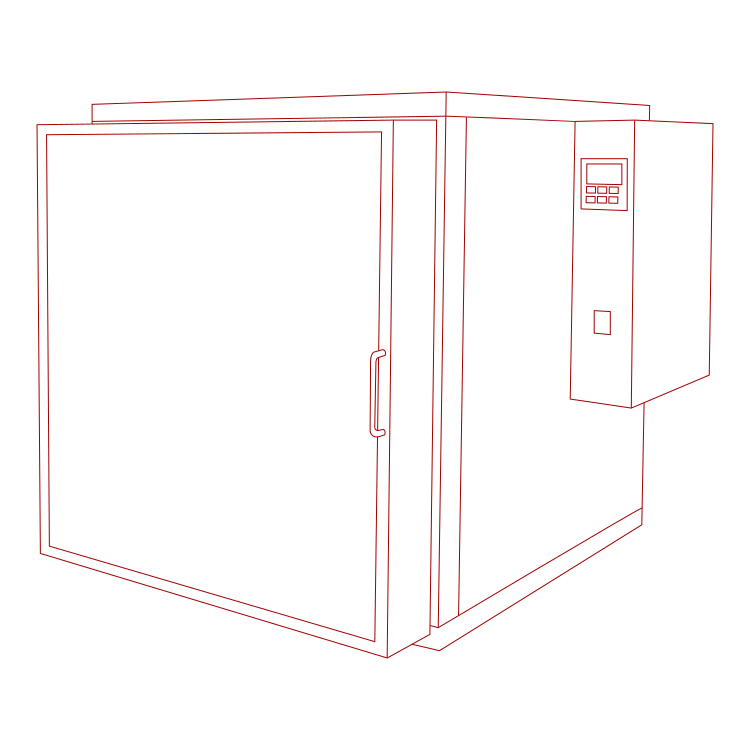
Guides to choosing and using electric ceramic kilns.
Capacity, temperature, power supply, insulation and control: the criteria for choosing an electric ceramic kiln for hobby or professional use.
Read moreCapacity, temperature, household power supply and accessories: what to consider when choosing your first electric kiln for hobby ceramics.
Read moreApproximate temperature ranges for bisque, glaze, third firing, stoneware and porcelain, the critical stages of firing and the type of kiln required.
Read morePower, electricity supply, dedicated circuit and the difference between single-phase and three-phase: what you need to know to connect an electric ceramic kiln to a household supply.
Read moreHow to estimate the energy consumption of an electric ceramic kiln, which factors affect it and how to reduce the cost of each firing.
Read moreHigh-density ceramic fibre or insulating firebricks: how energy consumption, heating speed, thermal stability and maintenance change.
Read moreChoice of room, ventilation, floor, clearances, electrical supply and first firing: guidance on installing an electric ceramic kiln.
Read moreMaturing temperatures, bisque, firing schedule and cooling: what you need to fire stoneware and porcelain in a high-temperature electric kiln.
Read more


